
1. Shirley Community Reserve | Community Needs
– Lack of activities for Youth after school, on weekends & during school holidays.
– There are limited opportunities for Youth/Adult/Older Adults to be ‘active’ outdoors (apart from walking/biking), unless they are able to participate in sports.
Work hours, financial constraints & mobility issues can exclude some residents.
– We have a growing aging population. Opportunities to increase strength & mobility are limited to at home exercises or attending a gym.
– Many people with sensory sensitivities find most gym environments overwhelming.
1.1. ReVision Youth Friendly Spaces | 10 Shirley Road
In the ReVision Youth Audit for 10 Shirley Road, youth audtiors commented on the “underutilisation of the space”.
Re Safety: “This could be achieved by adding more seating to attract more users and introducing more activities.”
Re Accessibility: “wheelchair-friendly activities should be introduced to the space.”
Re Youth-Friendly: “the space screams out ‘toddler’ more than youth.”
https://www.10shirleyroad.org.nz/youth-audit-10-shirley-road/
1.2. ‘Designing the Third Spaces Teens Need’
“Across the country, schools are restricting student cellphone use as parents, school officials, and lawmakers worry about the devices’ negative impacts on learning, mental health, and real-world relationships.
But by reducing technology use without investing in compelling alternatives, particularly third spaces, they’re treating a symptom, not the problem…
The good news is our civic infrastructure can be intentionally designed and operated to provide real-world connection to peers, places for enjoyable physical movement, which research shows help buffer against mental health challenges.
If phones deliver dopamine, autonomy, and easy social connection, public space needs to deliver those same three things, while becoming a place where teens can build a sense of belonging and identity that give those daily habits meaning…
Open, accessible environments avoid the ‘children only’ cues that push teens away, while natural materials and a muted palette replace the primary-color plastic aimed squarely at kids…
Park playgrounds are designed to appeal to small children, even though more than half of playground users are teens and adults.”
https://www.planning.org/planning/2026/sep/beyond-the-ban-designing-the-third-spaces-teens-need/
1.3. ‘How to Create a Community Fitness Space with Calisthenics Equipment’
“The best community fitness spaces are not just collections of exercise equipment, they’re thoughtfully designed destinations that encourage people to meet, train together, and become active as part of their daily routine.
A well-designed calisthenics space creates opportunities for individual fitness training, group workouts, community programmes, and intergenerational use.
It also provides informal recreation alongside traditional playgrounds and sports facilities, while encouraging social interaction that contributes to safer, more vibrant public spaces.
When located near walking tracks, sports fields, or play areas, outdoor fitness equipment allows parents, grandparents, and caregivers to stay active while supervising children, ultimately creating healthier outcomes for the whole community.
Good design considers multiple bar heights for different users, a clear progression from beginner to advanced exercises, adequate circulation space between equipment, and accessibility for people with varying abilities and mobility.
It also incorporates safe surfacing and fall zones, as well as opportunities for stretching and warm-up activities.
Rather than creating spaces aimed only at highly fit users, successful projects provide achievable challenges that encourage participation and build confidence over time.
Usage is one of the biggest measures of success for any public fitness space. Communities are far more likely to embrace facilities that feel welcoming, attractive, and connected to their surroundings.
Regular use is influenced by factors such as natural shade or shade structures, seating for spectators and resting users, drinking fountains, and bike parking.
Facilities also benefit from good visibility and passive surveillance, appropriate lighting, connections to walking and cycling networks, and seamless integration with existing recreation facilities.
These design elements transform fitness equipment from isolated infrastructure into valued community assets.”
https://parksupplies.co.nz/2026/09/community-fitness-with-calisthenics-equipment/
1.4. ‘Every Body Active by Design’ Guide by Sport New Zealand
“Practical guidance for creating urban environments that promote and enable physical activity, wellbeing and connection.
‘Every Body Active by Design’ provides practical guidance for creating urban environments that make regular walking, wheeling, cycling, play and social connection easy and enjoyable, helping build healthier, more connected communities across Aotearoa.
– Principles of Active Design:
1. Movement | Connect people to places.
2. Joy | Promote playfulness and fun.
3. Vitality | Bring spaces and places to life.
4. Nature | Integrate everyday encounters with the natural environment.
5. Identity | Celebrate the essence of people and place.
– Parks and Local Green Spaces:
Parks and local green spaces provide some of the most accessible opportunities for people to be active, connect with nature and spend time together.
Active design helps create parks that are welcoming, easy to access and valued by the communities they serve.
Active design supports parks that encourage walking, wheeling, cycling, play and recreation as part of everyday life.
Connected paths, accessible entrances, inviting places to gather and opportunities for informal activity help people of all ages and abilities enjoy and use these spaces regularly.
Parks can also strengthen connections with nature, place and community. They are nature-rich environments, with plentiful opportunities for movement and play.
– Active Design Approaches commonly used in ‘Parks and Local Green Spaces’:
1. Connected, accessible movement networks.
2. Places to pause, gather and connect.
3. Flexible places for play, recreation, sport and community activity.
4. Nature-rich and climate-resilient environments.
5. Local essence, cultural narratives and sense of place.
6. Stewardship, learning and community care.”
https://sportnz.org.nz/every-body-active-by-design/
2. Shirley Community Reserve | CCC Draft Plan
Consultation Document:
Shirley Community Reserve Development Plan – Draft Plan
https://letstalk.ccc.govt.nz/download_file/9954/3472
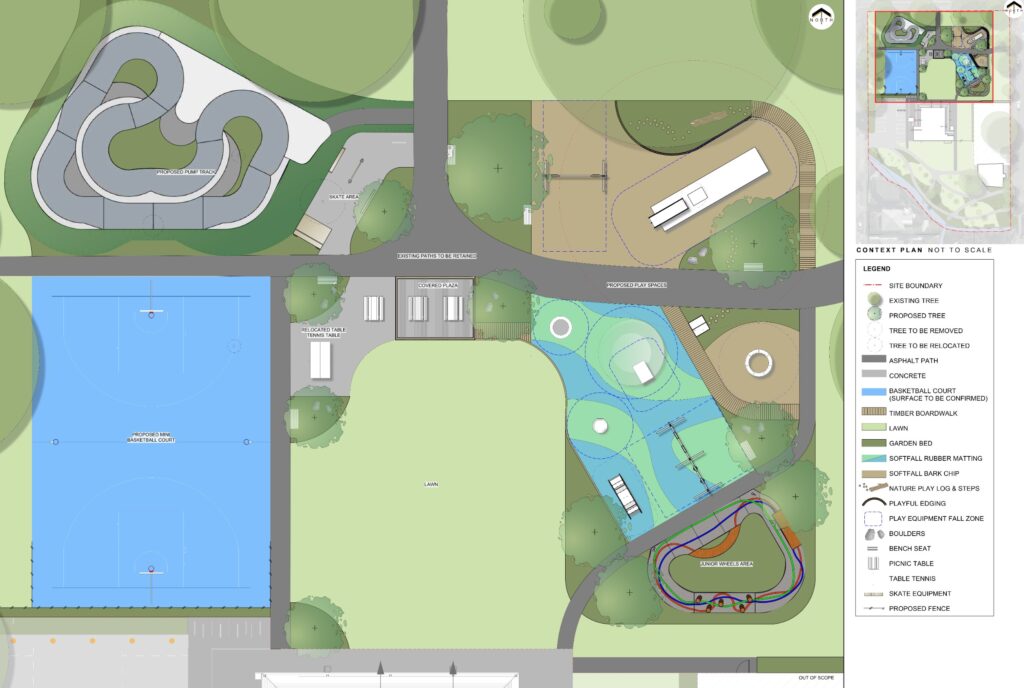
3. CCC Draft Plan | Proposed Design Feedback
– The ‘Pump Track/Skate Area/Adventure Play’ areas cater towards primary school aged children, who already have access to their school playgrounds.
– Limited opportunities for Youth/Adults/Older Adults to engage in activities at the Reserve.
– No new activities for Youth have been included in the CCC Draft Plan.
– Basketball Court & Pump Track have increased in size, yet are rarely used.
– Table Tennis Table is included in the CCC Draft Plan, yet it is not used.
4. ‘Shirley Centre’ Plan | ‘Move’ Zone (Youth, Adults, Older Adults)
– In 2024, the Waipapa Papanui-Innes-Central Community Board’s vision was for the Shirley Community Reserve to become:
“a safe place that enhances well-being & a place for social connection”.
https://letstalk.ccc.govt.nz/waipapa-papanui-innes-central-community-board/agreed-vision-shirley-community-reserve
– Currently the Reserve is underutilized. More people using the Reserve, attracts more people to this location, as the space is now seen as “a safe place”.
– By creating a new ‘Play’ Zone to attract families with young children, we need to create a new space to complement this Zone, to attract Youth/Adults/Older Adults.
– ‘Move’ Zone: Inclusive Accessible Intergenerational Outdoor Fitness Space for exercise, Vitamin D & fresh air.
– ‘Wheelchair-friendly activities’ in an accessible location, with adjacent car park.
– ‘Open Green Space’ location, may be less overwhelming for people with sensory sensitivities, who avoid gym environments.
– Opportunities to incorporate fitness/stretching/strength & mobility training into daily life: waiting for your bus to arrive, after drop off or while waiting for pick up at school/playcentre & on your way home after work.
– Safe space (visibility from streets), flat footpaths & open green space for users to create their own workout routine.
– Mentoring opportunities between Youth & Adults/Older Adults in the community.
– Local sports organisations can created new programs to engage with Youth at the Reserve.
– Equipment to complement potential fitness & mobility activities provided in the new ‘Community Centre’ building.
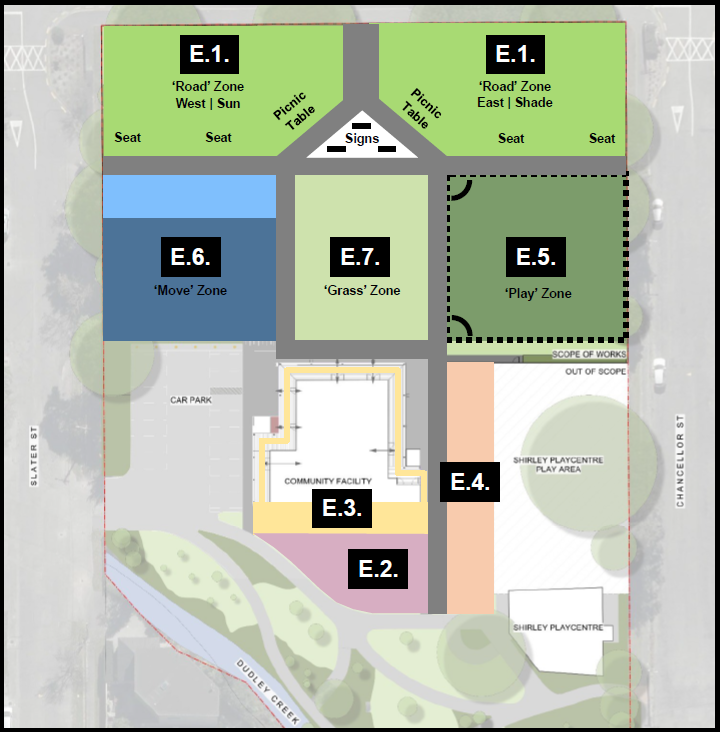
Consultation Feedback by Joanna Gould
E. ‘Shirley Centre’ Plan | E.6. ‘Move’ Zone
(Youth, Adults, Older Adults)
Inclusive, Accessible, Intergenerational Outdoor Fitness Space
– Larger Blue Area: In South Korea free outdoor fitness equipment features in virtually all public parks. Open 24/7 & no membership.
Used by Youth/Adults/Older Adults for daily health maintenance & social gathering.
Equipment for low-impact stretching & mobility, plus bars for calisthenics & functional movement training.
Opportunities for circuit training/cardio along Reserve & Dudley paths/Chancellor St.
– Light Blue Area: Basketball/Netball Combo, with different goal at each end, colour coded layout markings.
Youth/Adults use the current half basketball court for shooting practice & to destress.
5. ‘Shirley Centre’ Plan | ‘Move’ Zone: Equipment Suggestions
– The below Equipment Suggestions are based on: the specific needs for each age group (Youth/Adults/Older Adults), to cater for different muscle groups & for the mobility of each user.
– Providing a variety of equipment allows many different ability users, to utilise this Zone at the same time.
– KOMPAN equipment has signage showing exercises related to each piece of equipment. This encourages ‘fitness equipment newbies’ to engage in this Zone.
– Supported by the free KOMPAN Fitness App, which acts as your personal trainer, offering guidance and measuring performance.
– 5.1. Cross Training Pro Combi 3
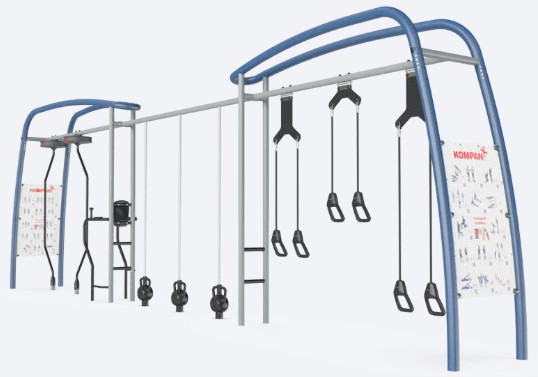
‘Play’ Zone Equipment Suggestions
5.1. Cross Training Pro Combi 3
https://www.kompan.com/en/au/p/faz204?variant=dark_blue&variant_id=42913c74-3545-493a-99e2-f0ed83d31181
– 5.2. Overhead Ladder
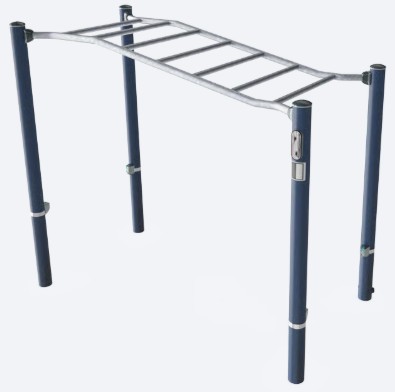
‘Play’ Zone Equipment Suggestions
5.2. Overhead Ladder
https://www.kompan.com/en/au/p/fsw205?variant=dark_blue&variant_id=2bd830d1-85bd-48ad-a1ee-c0e9b1e86051
– 5.3. Stretch Station
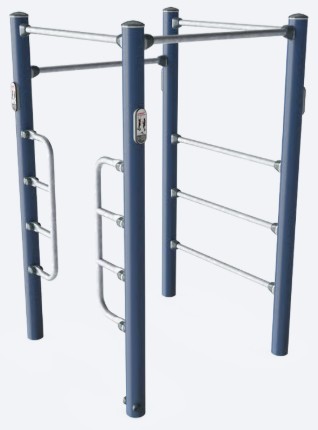
‘Play’ Zone Equipment Suggestions
5.3. Stretch Station
https://www.kompan.com/en/au/p/fsw223
– 5.4. Pull Down Pro
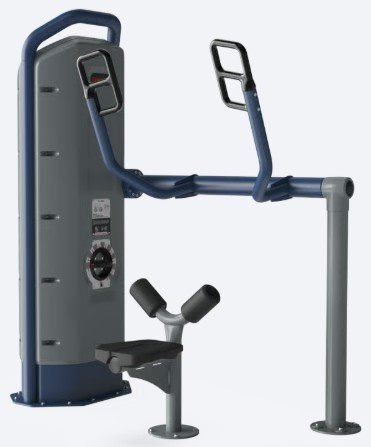
‘Play’ Zone Equipment Suggestions
5.4. Pull Down Pro
https://www.kompan.com/en/au/p/faz602?variant=dark_blue&variant_id=d7e13eda-0f7c-40dc-9642-eced78cd9858
– 5.5. Horizontal Row Pro
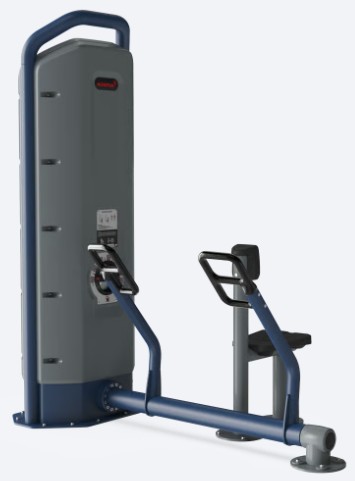
‘Play’ Zone Equipment Suggestions
5.5. Horizontal Row Pro
https://www.kompan.com/en/au/p/faz605?variant=dark_blue&variant_id=603bd92f-593f-4b93-a6f0-b2eb9c09cf5b
– 5.6. Free Runner
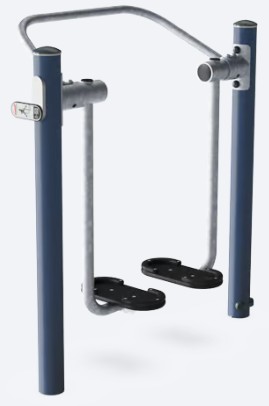
‘Play’ Zone Equipment Suggestions
5.6. Free Runner
https://www.kompan.com/en/au/p/fsw242
– 5.7. Recumbent Bike
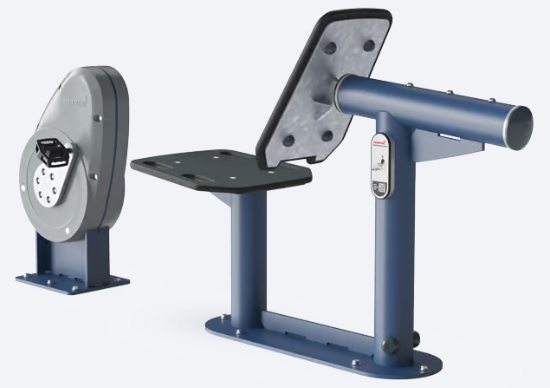
‘Play’ Zone Equipment Suggestions
5.7. Recumbent Bike
https://www.kompan.com/en/au/p/fsw24101?variant=dark_blue&variant_id=c83e77be-fb6a-4454-9c23-b979884febaa
– 5.8. Flex Wheel
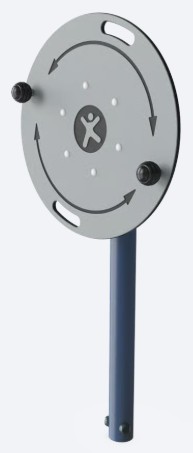
‘Play’ Zone Equipment Suggestions
5.8. Flex Wheel
https://www.kompan.com/en/au/p/fsw226
– 5.9. Surface Challenge 3
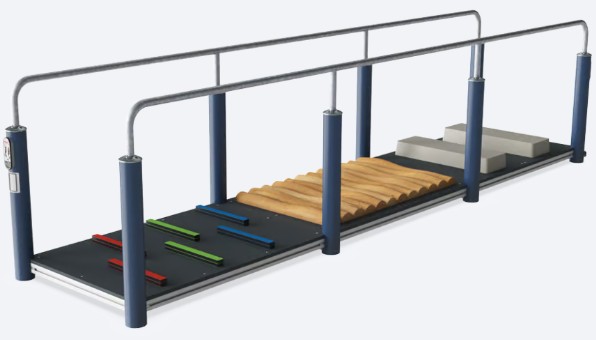
‘Play’ Zone Equipment Suggestions
5.9. Surface Challenge 3
https://www.kompan.com/en/au/p/fsw224